Source Handmade Ceramic Spoon for Dining, Kitchen, and Serving
Explore 30 listings for handmade ceramic spoon options, including irregular and solid color designs. Compare specifications like model numbers KHL4638 and KHL4647, materials, and packaging types to find suitable kitchen supplies for your business needs; compare the available evidence and request quotations based on your requirements.
Key considerations
Products List


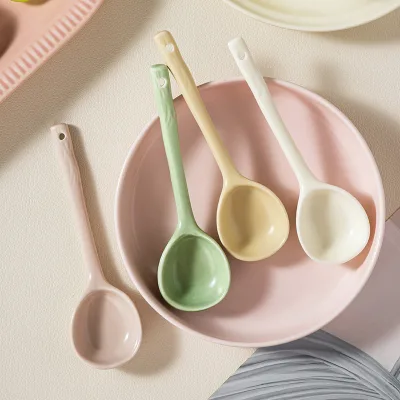
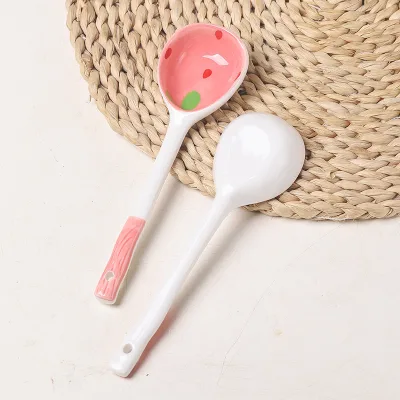


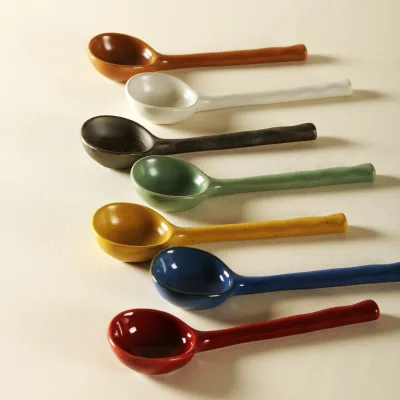


Comprehensive Sourcing Guide
Handmade Ceramic Spoon Sourcing Guide
Buyers evaluating handmade ceramic spoons must first distinguish between standard utility items and specialized artisanal pieces, as the market offers distinct variations in form and function. The observed product data indicates a range of models, such as KHL4638 and KHL4647, which feature specific dimensions like 1851 and 2375, suggesting that size is a critical differentiator for soup versus rice serving applications. Procurement teams should verify whether the irregular shapes or solid color finishes align with their specific dining requirements, as the listings show both multicolor and unicolor options available from Chinese origins.
Commercial viability depends heavily on understanding the customization landscape, where some suppliers offer tailored designs while others provide stock items like the KHL6394 model. The presence of both customized and non-customized attributes in the data suggests a flexible supply chain, yet buyers must confirm if the "Irregular Ceramic Spoon" or "Large Lamian Noodles Spoon" descriptions match their exact aesthetic needs. It is essential to assess whether the packaging, ranging from OPP bags to cartons, meets the logistical requirements for protecting fragile ceramic items during international transit.
Product Scope and Observed Listing Signals
The product scope for handmade ceramic spoons encompasses a diverse array of kitchen tools, including high-appearance rice spoons and long-handled soup spoons designed for specific culinary tasks. Listings reveal that materials are primarily ceramic and porcelain, though some entries reference wood, indicating a need to carefully filter results to ensure the material matches the intended use case. The observed price range of 0.06 to 12 USD reflects significant variance based on design complexity, with stock items often priced lower than bespoke, customized pieces that require additional production time.
Buyers must scrutinize listing signals regarding the condition and style of the spoons, as the data includes entries marked as "Used" or "Antique," which are atypical for new B2B procurement. While most items are described as non-disposable and eco-friendly, the presence of "Used" items suggests a secondary market or clearance inventory that may not meet new product quality standards. It is crucial to verify if the "Stocked" feature applies to the specific model number required, ensuring that the supplier can fulfill immediate orders without long lead times for custom manufacturing.
Technical Specifications to Verify
Technical verification begins with precise dimensional analysis, as the observed standards vary significantly from 13CM lengths to box dimensions like 69218 for larger furniture or packaging units. Buyers should request detailed drawings for models such as KHL4883 and KHL4871 to confirm that the 2062 or 1752 specifications align with ergonomic requirements for dining room use. The distinction between "Undisassembly" and "Folded" attributes is less relevant for spoons but highlights the need to check if any components are modular or if the product is a single solid unit.
Material integrity and finish consistency are paramount, especially given the mix of "Multicolor" and "Unicolor" options in the catalog. Procurement teams must verify that the ceramic glaze is food-safe and that the "Solid Color Ceramic Spoon" or "Irregular Ceramic Spoon" finishes are uniform across the batch. The "Brown Paper" or "Box" packing methods should be evaluated for their ability to prevent chipping, as the fragile nature of ceramic requires robust protection during shipping to maintain the structural integrity of the 1851 or 2375 dimensions.
Compliance and Safety Documentation
Compliance documentation is critical for ceramic tableware entering regulated markets, with the observed data listing certifications such as CE/EU, FDA, CIQ, LFGB, and EEC. Buyers must ensure that the specific model numbers, like KHL6394 or KHL4638, are covered under these certificates, as certification status can vary between product lines even within the same supplier. The presence of these certifications suggests adherence to international safety standards, but verification of the test reports is necessary to confirm that the specific batch meets the required heavy metal and lead limits.
Safety verification extends to the material composition, ensuring that the ceramic and porcelain used are free from harmful substances that could leach into food. The "Eco-Friendly" attribute observed in the listings should be backed by specific environmental compliance data, particularly if the product is marketed for sustainable dining. Buyers should also check if the "Home Use Soup Spoon" or "Kitchen Gadget" classifications align with local regulatory definitions, as misclassification can lead to customs delays or rejection of the shipment at the port of entry.
Cost Drivers and Commercial Terms
Cost drivers for handmade ceramic spoons include the complexity of the design, the level of customization, and the chosen packaging method, which ranges from simple OPP bags to more protective cartons. The observed MOQ range of 5 to 5000 units indicates that suppliers offer flexibility for small trials but may require higher volumes for custom designs to achieve economies of scale. Buyers should analyze whether the lower price points correspond to standard stock items or if the higher costs reflect the labor-intensive nature of creating irregular shapes or specific color finishes.
Commercial terms must be clearly defined regarding the "Selling Units," which are listed as single items, and the "Brand Name" associated with the products. Procurement teams should negotiate lead times based on whether the order is for "Stocked" items or requires new production runs for customized models. The "Place of Origin" in Shandong, China, is a known manufacturing hub, but buyers must confirm if the quoted prices include all logistics costs or if shipping and insurance are separate line items to avoid unexpected expenses.
Supplier Qualification and Quality Control
Supplier qualification requires a thorough review of their production capabilities, particularly their ability to maintain consistency in "Handmade" processes which can introduce natural variations. The data shows a mix of "Zihe Kitchen" and "Fh" branded items, suggesting that buyers should verify if the supplier is the original manufacturer or a trading company. Quality control protocols must address the high risk of breakage during firing and shipping, ensuring that the "High Appearance Rice Spoon" or "Large Lamian Noodles Spoon" meets strict visual and structural standards before dispatch.
Inspection plans should focus on dimensional accuracy and surface finish, as the "Antique" or "Traditional" design styles may have specific aesthetic requirements that differ from modern minimalism. Buyers should request pre-shipment inspections to verify that the "Brown" or "Multicolor" finishes are consistent and that the "Unfolded" state of the product matches the description. Establishing a clear communication channel for defect reporting is essential, especially when dealing with fragile ceramic items where even minor chips can render a batch unsellable.
Long-Term Procurement Checks
Long-term procurement success relies on establishing a stable supply chain that can consistently deliver the required specifications for models like KHL4647 or KHL6482 over time. Buyers should monitor the supplier's ability to maintain the "Eco-Friendly" and "Non-Disposable" attributes as production scales, ensuring that quality does not degrade with increased volume. Regular audits of the manufacturing process in Shandong, China, can help identify potential bottlenecks or quality drifts that might affect the "Kitchen Tools" or "Kitchen Gadget" performance.
Strategic planning must also account for the evolving market demand for specific styles, such as the transition from "Solid Color" to "Multicolor" options. Buyers should maintain a relationship with the supplier to stay informed about new model numbers and design trends that could enhance their product offerings. Continuous feedback loops regarding customer satisfaction with the "Dining Room Furniture" or "Dining" application of the spoons will help refine future orders and ensure the product remains competitive in the global market.
FAQs
How can I verify the quality of handmade ceramic spoons before ordering?
Request physical samples and review product specifications such as dimensions, for example models listed at 18*5*1cm or 23*7*5cm. Inspect glaze finish, weight, and consistency across the sample batch. Confirm which certifications a supplier holds, since some listings reference CE/EU, FDA, CIQ, LFGB, and EEC. Ask about inspection procedures before production begins.
What customization options are typically available for handmade ceramic spoons?
Many suppliers offer customization including color schemes, shape variations, and packaging choices. Listings show both multicolor and unicolor options, with solid color ceramic soup spoons as one style. Packaging may range from OPP bags to boxes or cartons depending on the model. Confirm customization fees, minimum quantities, and lead times with each supplier directly.
Which packaging formats are used when shipping handmade ceramic spoons?
Observed formats include OPP bags, boxes, and cartons depending on the product model. Because ceramic is fragile, ask suppliers how individual units are protected within master cartons for long-distance shipping. Some single-item listings use brown paper wrapping. Request packing details, carton dimensions, and gross weight for each model before arranging freight.
Can I order handmade ceramic spoons in small trial quantities?
Observed minimum order quantities in this category range from 5 to 5000 pieces, so small trial orders may be possible. Single-unit sales also appear for some items sold as single pieces. Expect unit pricing to be higher at low volumes. Confirm the exact MOQ, sample cost, and reorder terms with each supplier before committing.
What price range should buyers expect for handmade ceramic spoons?
Observed listing prices range from about 0.06 to 12 US dollars, reflecting differences in size, decoration, material, and order volume. Simple unicolor spoons generally sit at the lower end while larger or decorated pieces cost more. Treat listed prices as starting points and request quotes based on your specification, quantity, and customization requirements.
How do I compare ceramic spoon models using listed specifications?
Use the stated dimensions to compare capacity and handling, such as 16*4.5*3cm, 17*5*2cm, 20*6*2cm, and 23*7*5cm models. Larger sizes suit noodles or generous soup servings while smaller sizes fit rice or condiments. Check each model number, for example KHL4638 or KHL4871, and request samples of shortlisted options to evaluate balance and glaze.
Can handmade ceramic spoons be sourced with food-contact certifications?
Yes, some listings reference certifications including CE/EU, FDA, CIQ, LFGB, and EEC, which relate to food-contact safety requirements. However, certification coverage varies by model and supplier, so never assume every product qualifies. Ask for current certificate copies matching the exact model you intend to order and verify validity dates before placing volume orders.
What should I confirm about ceramic spoon durability and care before resale?
Ceramic and porcelain spoons are non-disposable, reusable kitchen items, so confirm glaze hardness, chip resistance, and dishwasher or microwave suitability with the supplier. Feature attributes such as eco-friendly or stocked status may apply to specific listings only. Ask whether spoons can withstand daily home use, and review material composition details for each model you plan to stock.